
Most people think aging is about getting older.
It’s not.
It’s about slowly losing a few physical abilities without noticing it at first.
Strength fades.
Movement gets stiffer.
Posture changes.
Walking feels heavier.
Confidence in your body drops.
And one day you wake up thinking,
“When did this start?”
But with the right movements you can keep your body strong, mobile, and capable for decades!
Here are 7 science-backed exercises that help slow aging and keep your body capable after 50.
1. Squats
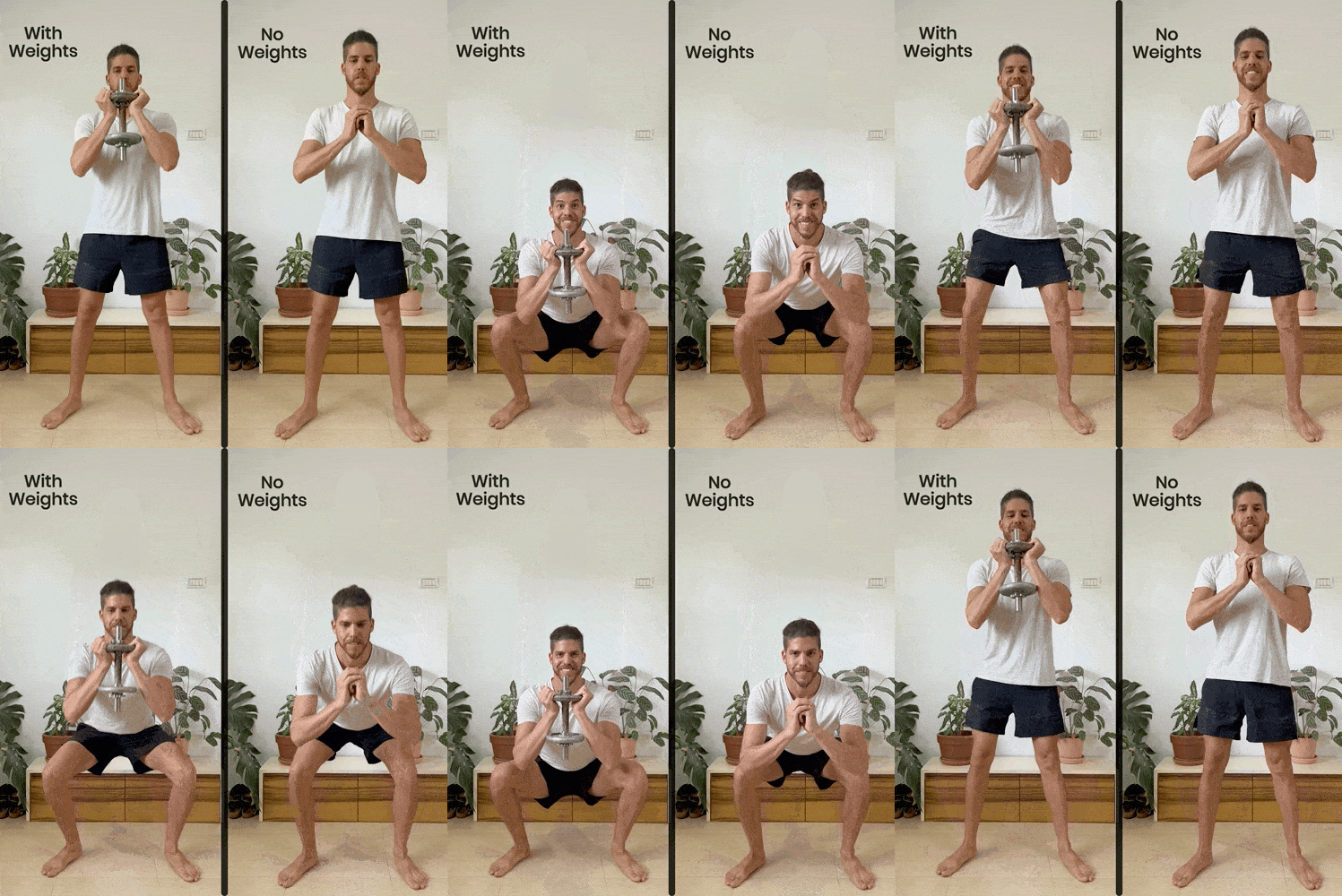
The stronger your thighs, the longer you live.
Research consistently shows that lower-body strength is one of the strongest predictors of survival in older adults.
Weak legs increase fall risk. Falls lead to hip fractures. And around ~25% of older adults who suffer a hip fracture die within a year, mostly due to loss of mobility and independence.
Use a bodyweight, goblet, or chair squat. Move slow and controlled. Sit back, keep your chest tall, and push through your feet.
2. Deadlift
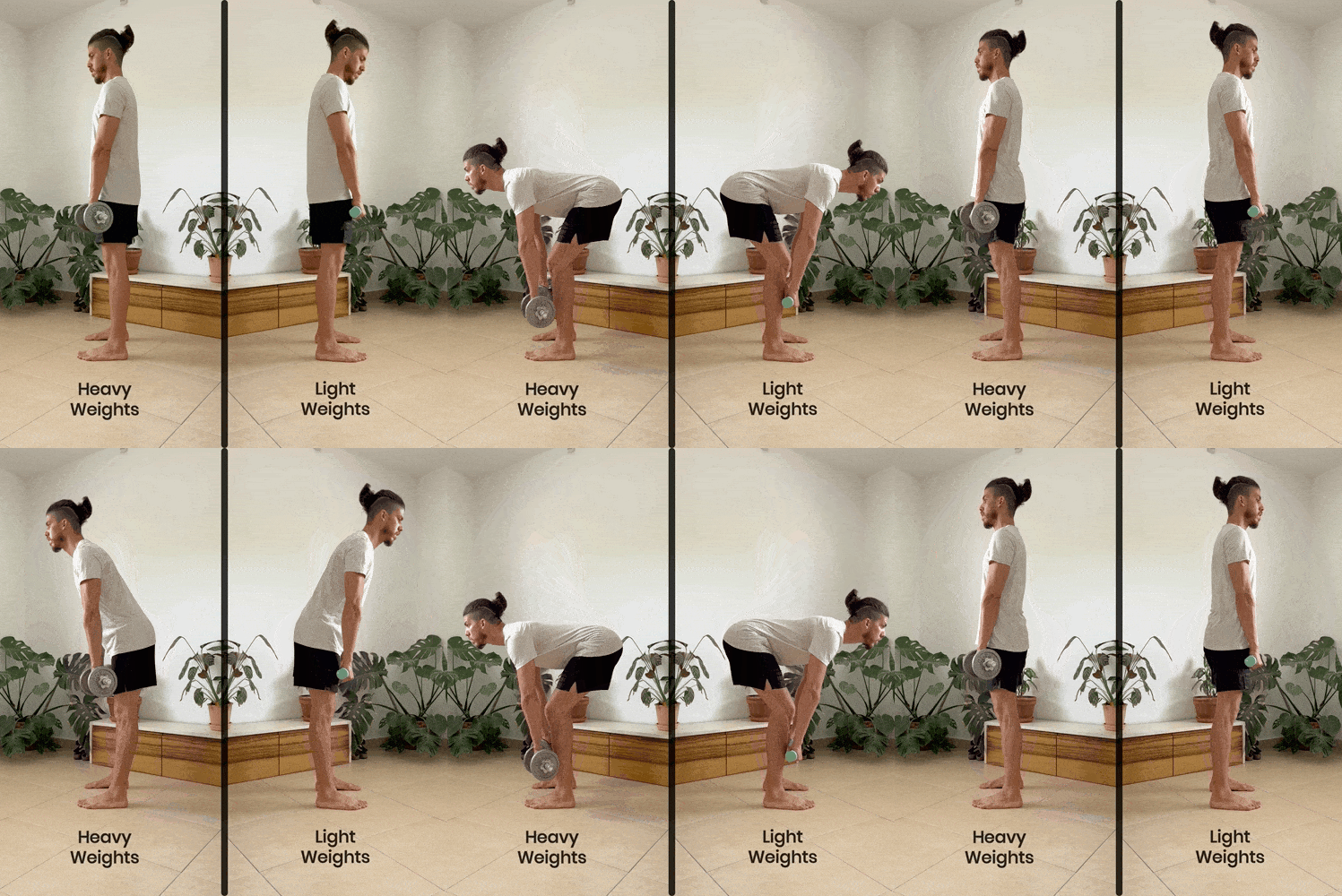
Deadlifts train your body for real life.
Lower-body and hip strength are strongly associated with reduced disability, fewer falls, and lower all-cause mortality.
Deadlifts teach proper hip hinging, which protects the spine during everyday tasks like lifting groceries, luggage, or anything off the floor.
Use a light kettlebell, dumbbells, or a barbell. Push hips back, keep spine neutral, and let hips and legs do the work.
3. Row
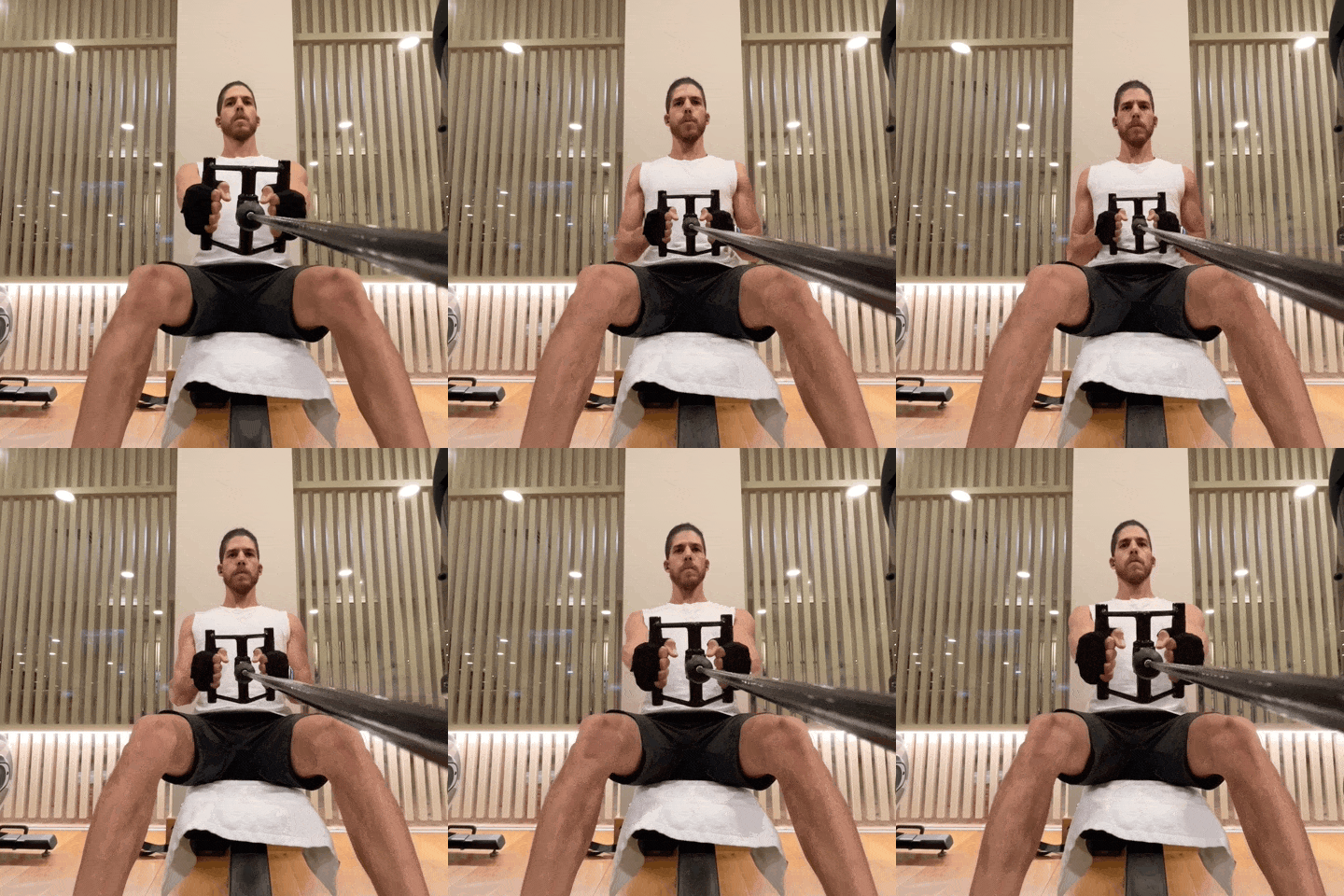
Rows are posture insurance.
Poor posture is linked to shoulder pain, neck pain, reduced lung capacity, and loss of upper-body function.
Upper-back strength supports breathing, shoulder health, and daily movement, all critical for maintaining independence with age.
Use bands, cables, or dumbbells. Pull elbows back with control, squeeze the upper back, and avoid shrugging. Slow reps beat heavy weight.
4. Farmer’s carries

If your grip is strong, you’re aging well.
Grip strength is one of the strongest predictors of longevity and overall health in adults.
Studies show low grip strength is associated with higher mortality, disability, and disease risk. Carries also load bones, train balance, and strengthen the core.
Hold dumbbells, kettlebells, or even grocery bags. Walk tall for 60 seconds. Moderate to heavy weight.
5. Dead hang

Dead hangs are joint hygiene for your upper body.
With age, shoulder joint space and spinal decompression are lost. Dead hangs restore overhead mobility, improve grip strength, and decompress the spine. They counter years of sitting and rounded posture.
Hang from a bar with feet on the floor or a box. Let gravity do the work. Start with short hold and build up over time to over 60 sec.
6. World’s Greatest Stretch
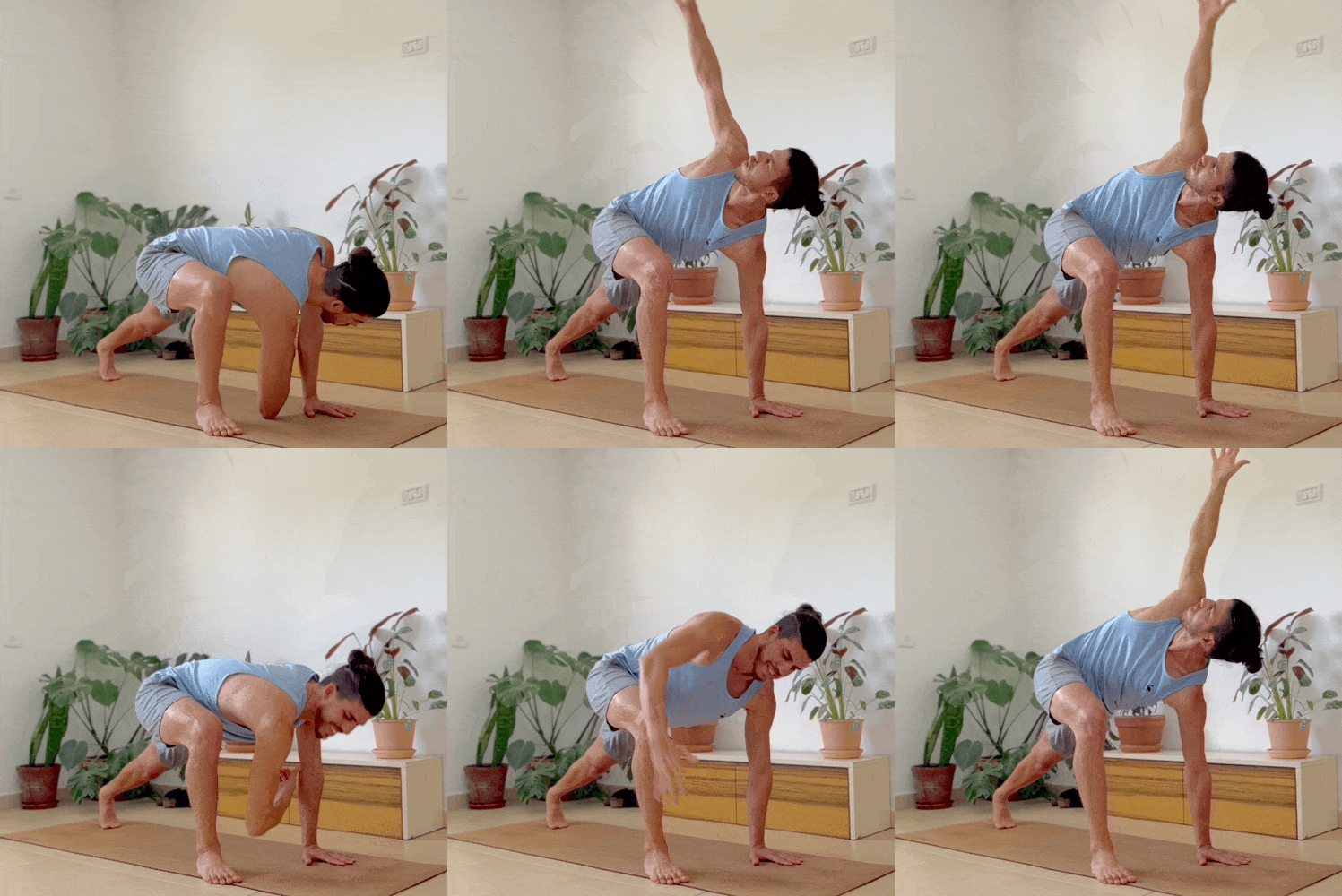
A mobile body stays young longer.
Loss of mobility is one of the earliest signs of aging.
When hips, spine, and shoulders stop moving well, the body compensates. That leads to stiffness, joint pain, poor balance, and eventually less movement overall.
Research consistently shows that reduced mobility is strongly linked to loss of independence and higher risk of disability as we age.
The World’s Greatest Stretch restores mobility and improve flexibility across multiple key areas at once: hips, spine, and shoulders. That’s why it works so well.
Move slowly through the positions. Breathe deeply. Focus on smooth, controlled movement rather than forcing range.
7. Brisk walking
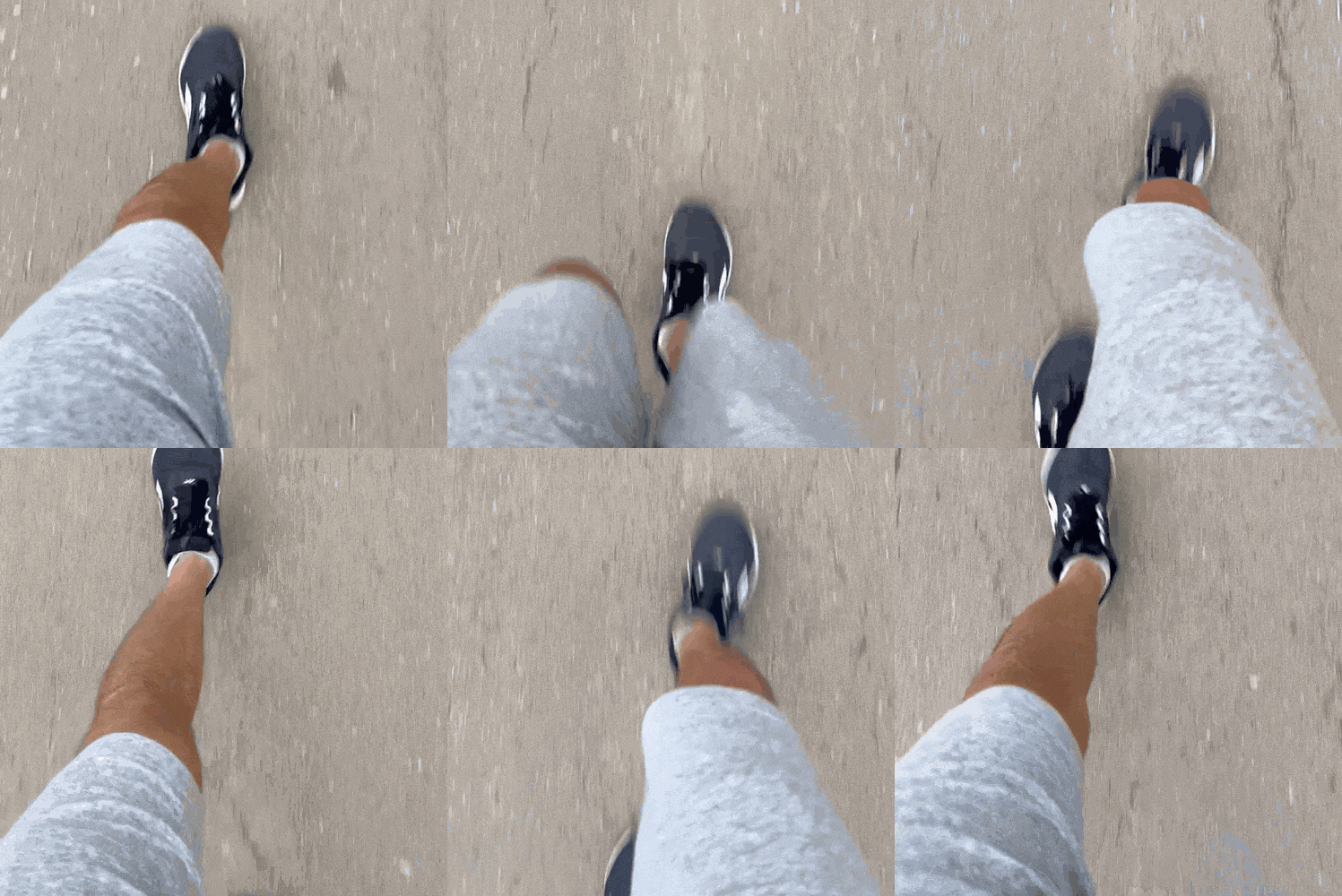
Walking is the most underrated anti-aging tool.
Cardiorespiratory fitness is one of the strongest predictors of lifespan. Regular brisk walking improves heart health, insulin sensitivity, brain function, and recovery without stressing joints.
Walk at a pace where breathing increases but conversation is still possible. Aim for consistency, not exhaustion.
Takeaway
Aging doesn’t happen because you stop exercising. It happens because you stop using your body in the ways it was designed to move.
You don’t need extreme workouts.
You don’t need to train every day.
You just need to make sure these movements never disappear from your life.
That’s how you stay young longer.
Have a wonderful day 
Idan

 By opting in, you agree to receive emails from me and to my