
Hey,
How are you?
Tell me… have you noticed that lately almost every get-together with friends somehow turns into a conversation about blood tests?
“My doctor said my LDL went up.”
“They prescribed statins.”
“I don’t understand what happened. I was always healthy.”
It’s not your imagination.
When menopause knocks on the door, it doesn’t come alone.
It brings the “gift” no one asked for 
Higher cholesterol levels.
Here’s what’s actually happening:
Until now, your estrogen was like a tough bodyguard protecting your heart.
Once its levels drop,
your liver starts producing more “bad” cholesterol (LDL) and less “good” cholesterol (HDL).
Suddenly, foods you ate at 40 without thinking twice,
show up in your blood work at 50 
But, and this is a big but,
it does NOT mean you have to get used to the idea of pills for life 
Science clearly shows there are simple, practical ways to turn this around.
4 Science-Backed Steps to Manage Cholesterol After 50
1. Fiber - Your Body’s “Broom”
Think of soluble fiber like a sponge.
It enters your digestive system, “grabs” cholesterol, and carries it out before it gets absorbed into your bloodstream.
Practical tip (choose one or more):
- Add 2 tablespoons of ground flaxseed or chia seeds to your yogurt.
- Add half a cup of white beans or lentils to your soup or salad.
- Eat an apple or pear with the skin on (that’s where the powerful soluble fiber, pectin, is).
- Include okra or eggplant in your meals. Their natural gel is rich in soluble fiber.

2. Replace, Don’t Remove (Smart Fats)
We’re not afraid of fat.
We just replace the clogger with the cleaner.
Saturated fats (margarine, butter, fatty cuts of meat) push your liver to produce more cholesterol.
Monounsaturated fats do the opposite.
Studies show that high-quality extra virgin olive oil contains polyphenols,
antioxidants that help prevent cholesterol from oxidizing and sticking to your artery walls.
Practical tip:
Remove refined vegetable oils (canola, corn, soybean) from your kitchen.
Use olive oil for cooking and dressing, and avocado as a spread instead of butter or high-fat cheese.

3. Strength, Not Just Cardio (The Engine of Your Blood)
Walking is great for your mind.
But for cholesterol, you need muscle.
Research shows resistance training (weights, bands, bodyweight) changes the structure of LDL particles.
It makes them larger and less dense, which makes them less harmful to your arteries.
At the same time, it increases HDL, the “cleanup crew” of your bloodstream.
Practical tip:
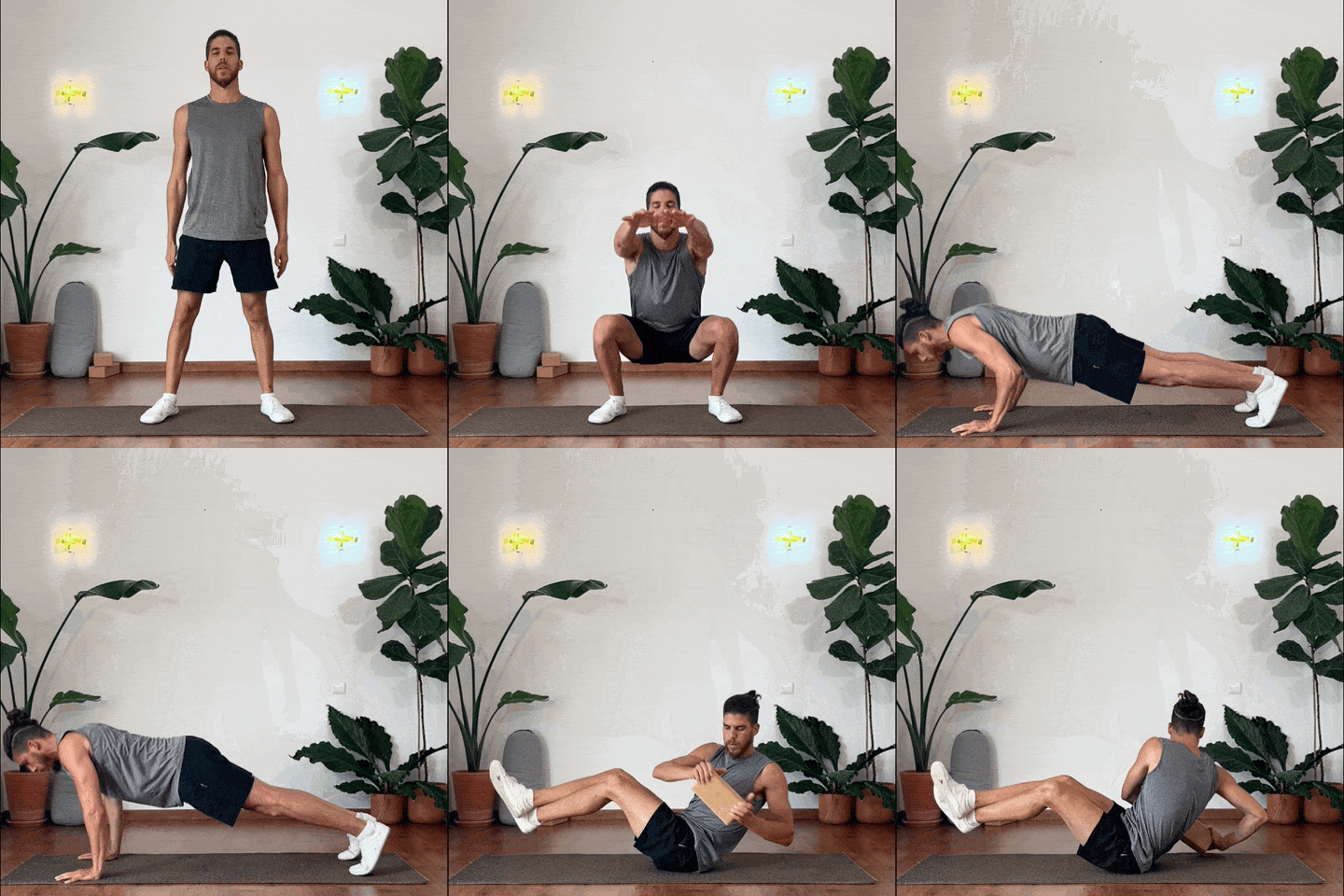
Twice a week, 20 minutes of basic strength work.
Squats, wall push-ups, resistance bands.
Not to build bodybuilder muscles.
To change your blood chemistry.
4. Plant Sterols & Stanols (Cholesterol’s Competitors)
Plant sterols have a chemical structure very similar to cholesterol.
When they reach your gut, they compete for absorption.
They take the spot.
The real cholesterol stays out and gets eliminated.
Where to find them naturally?
- Vegetables: Broccoli, cauliflower, and Brussels sprouts.
- Nuts: Especially walnuts, almonds, and pistachios. A small handful a day goes a long way.
- Fruits: Berries (blueberries, raspberries) and oranges contain smaller but meaningful amounts.
Bottom line:
I know, it sounds like a lot of changes all at once.
But here’s the secret:
you don’t need to turn your whole life upside down tomorrow morning.
Science shows that the magic happens with small, cumulative changes.
A handful of nuts instead of a snack.
Olive oil instead of butter.
A little more fiber on your plate.
These are the “small wins” that can shift your blood work within just a few weeks.
Your cholesterol is not a life sentence.
It’s simply a marker influenced by habits.
And those habits?
You absolutely have the power to change them 
Have a wonderful day 
Idan

 By opting in, you agree to receive emails from me and to my